

Things to do
The Best Things to Do in Rome Without Spending Your Trip in Queues
Rome's essentials, ordered by how much advance planning they need, and how to fit them into a short stay.
Ramavera Editorial Team · Destination research · Updated 12 November 2026 · 5 min read
The two things you must book
Colosseum and Roman Forum. Entry uses a compulsory timed slot, and official ticket sales currently open 30 days before the visit date. Early slots are cooler in summer and far less crowded. For most first visits the standard official ticket is the right default — see our Colosseum decision. If you specifically want the restricted areas, the Underground & Arena Floor experience is the specialist alternative.
Vatican Museums and the Sistine Chapel. Visits are much easier to plan with a reserved ticket. Use the official Vatican Museums ticket portal, or carefully verify the seller you are using. Base yourself in Prati if you want an easy early start.
The historic-centre walk
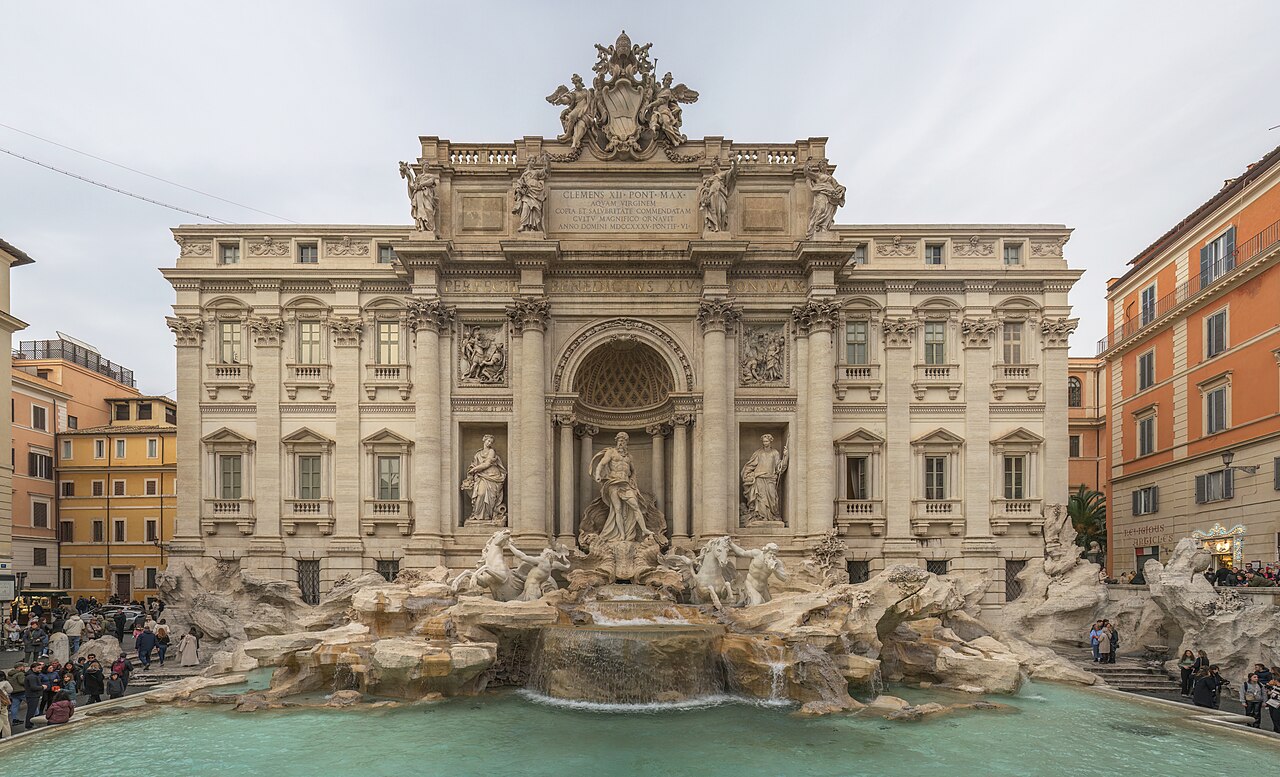
The Pantheon, Piazza Navona, the Trevi Fountain and the Spanish Steps still form an excellent historic-centre walking route, but their access rules are no longer identical. Piazza Navona and the Spanish Steps can simply be visited as part of the walk. The Pantheon is ticketed — see our Pantheon decision. At the Trevi Fountain, access conditions for the lower basin are managed by the City of Rome and may differ from viewing the fountain from the surrounding public area. Check the current official visitor information before entering the controlled area. Do the route as one long walk rather than four separate outings, ideally early morning or after dinner when the light is better and the crowds thinner.
Neighbourhoods worth an evening
- Trastevere — cobbled lanes and the liveliest evening dining.
- Monti — between the Colosseum and Termini, quieter and more independent.
- Testaccio — the food neighbourhood locals point you to.
Guided versus independent
Rome is layered: what you are standing on matters as much as what you are looking at. Guided access to the ancient sites is the one place where a good guide changes the visit. For the historic centre, a map and comfortable shoes are enough.
Practical notes
- Many churches enforce covered shoulders and knees; carry a light layer in summer.
- The centre is cobbled — footwear matters more here than in most capitals.
- Drinking fountains (nasoni) run across the city; a refillable bottle is genuinely useful.
To turn this into a plan, use our three-day Rome itinerary and Rome food and market tours, or browse the Rome destination hub.
Frequently asked questions
- What should I book in advance in Rome?
- The Colosseum and the Vatican Museums. Both use timed entry and both have long queues without a reservation.
- Is a guided tour worth it in Rome?
- For the ancient sites, yes — context changes what you are looking at. For the historic centre, walking independently is fine.
How we researched this guide (5 sources)
Ready to book?
The actions this guide actually recommends — official where official is right, free where nothing needs buying, partners where a commercial option genuinely wins.
Pantheon — official ticket, online for a fixed slot or on site for flexibility
Book official · Anyone walking the historic centre who wants to go inside
Ramavera may earn a commission from partner bookings. We add no booking fee. Affiliate disclosure.
Keep planning Rome
- Trip planningWhat to Book in Advance in Rome — And What Can Wait
- Travel tipsGetting Around Rome: Walking, Metro, Buses and Airports
- Neighbourhood guideWhere to Stay in Rome
- Experience comparisonRome Food & Market Tours: What Is Actually Worth Booking?